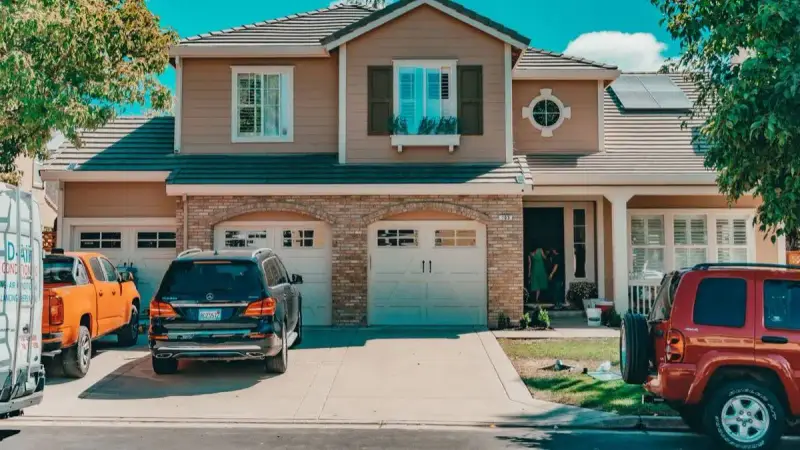
Hemet Window Replacement: Vinyl, Fiberglass, Egress & Patio Doors
Expert residential and commercial window services across the San Jacinto Valley. Free in-home measure, honest quotes.
- ✓Two-code valley specialists
- ✓Egress openings measured in writing
- ✓Repair quoted beside replacement
- ✓Free in-home measure and quote
Hemet Window Replacement installs and services windows, patio doors and entry doors across the San Jacinto Valley, on both kinds of house this town is built from. Dual-pane vinyl and pultruded fiberglass, thermally broken aluminum, low solar gain coatings, sealed glass units and storefront glazing.
The valley is a two-code town and that shapes every quote we write. Roughly one home in five here left a factory and answers to the federal manufactured housing standard, with its own egress dimensions, its own certification labels and its own permit path. The rest are site-built and follow the California codes. The right window depends on which one you own.
Heat is the other half of the job. Hemet sits in a basin the San Jacinto range closes off on the east, afternoon heat settles in and stays there well past sundown, and the cooling season runs far longer here than the heating season does. So we specify for solar heat gain before anything else, we say plainly when a solar screen would beat a new window, and the numbers go on your estimate.
Why Hemet Chooses Hemet Window Replacement
- ✓We start every visit by establishing whether your home is site-built or federally certified, because that single fact changes the egress dimensions, the certification label the window must carry, the way it attaches to the wall and which agency issues the permit.
- ✓Bedroom windows get their clear escape opening measured on site and written on the estimate as a real number. Not the rough opening, not the size printed in the catalog, the daylight a person would actually have to climb through in the dark.
- ✓We specify for solar heat gain before U-factor because Hemet is a cooling town, and we will not sell you a third pane of glass engineered for winters this valley has never had.
- ✓The cheaper fix always appears on the sheet next to the bigger one. Haze between two panes with the frame still sound calls for glass alone. A patio door nobody can shift usually wants roller carriages. And in this climate a set of solar screens outperforms replacement more often than any window company enjoys admitting.
- ✓We work in the park and senior communities as a normal part of the business, which means factory opening sizes, thin sidewalls, insert installations that keep the siding closed, sill height limits and park approval processes are routine rather than surprises.
- ✓Certification labels and operating instructions stay on the windows when we leave. On an egress unit those stickers are required to remain in place, and any installer who peels them off for a tidier handover has removed your only proof.
About Hemet Window Replacement in Hemet, CA
Hemet Window Replacement works the San Jacinto Valley and the country around it, from the parks and tract streets inside the city to San Jacinto, Winchester, the Pass towns and the cabins up the hill. We install replacement windows, patio doors, entry doors and commercial storefront glass, and we service what is already there.
What shapes the way we work is that this valley is built from two kinds of house under two rulebooks. Roughly one Hemet home in five is a federally certified manufactured home, with its own egress dimensions, its own certification labels and a permit path that does not run through the same counter. Most contractors treat every address as a tract house. That error produces illegal bedroom windows and inserts that do not fit.
Some orders we decline. Hurricane-rated glazing sold to an inland Riverside County address is one; whoever pitched it was reading a script written for the Gulf coast. Sound dual-pane glass plus a hot west living room is another: buy solar screens and keep the rest. Ask us to cut a bay into a manufactured sidewall and you get a reasoned argument for a flat mulled unit before you get a price.
Our Window Services in Hemet, CA
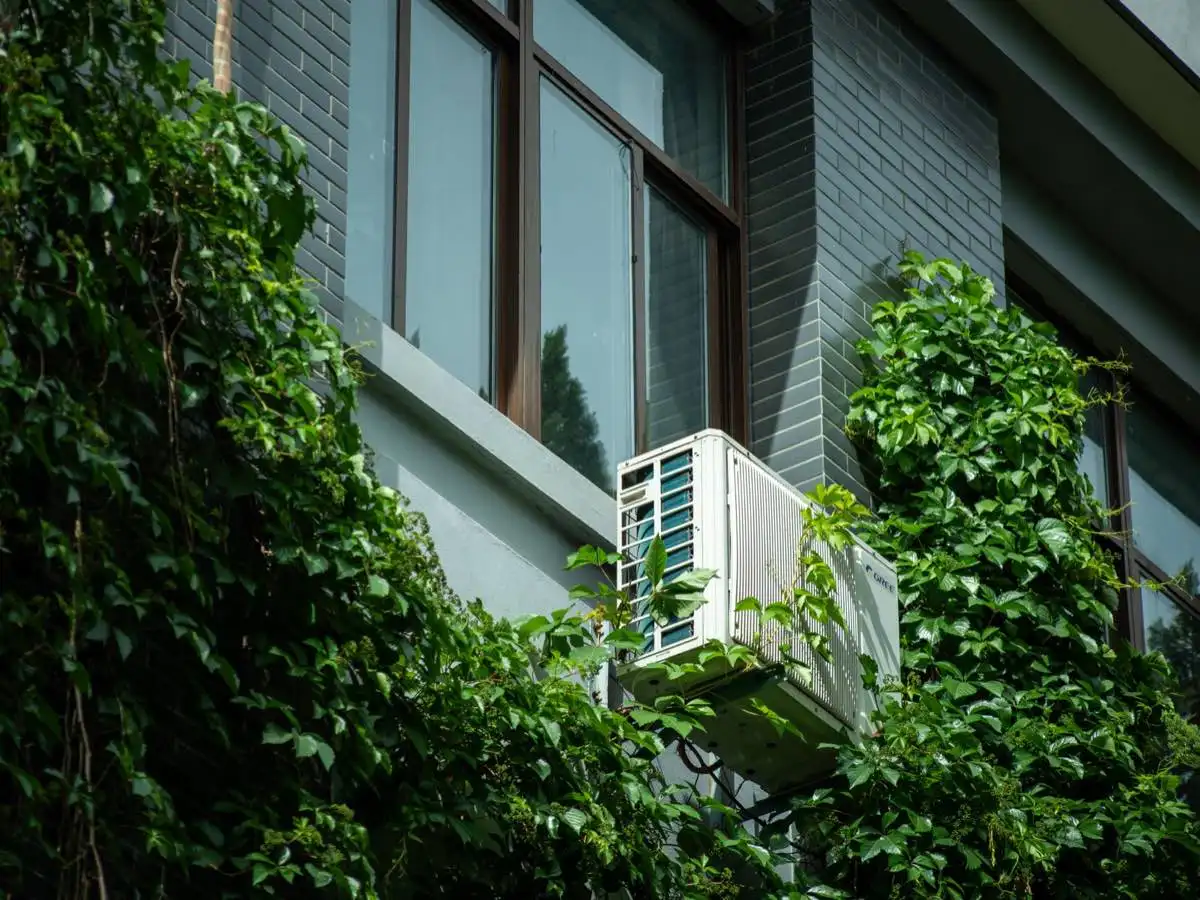
Energy-Efficient Window Upgrades
Two houses on the same Hemet block can answer to two different codes. Which one governs yours decides whether an efficiency number on a sticker is a legal threshold you must clear or a claim nobody is checking.
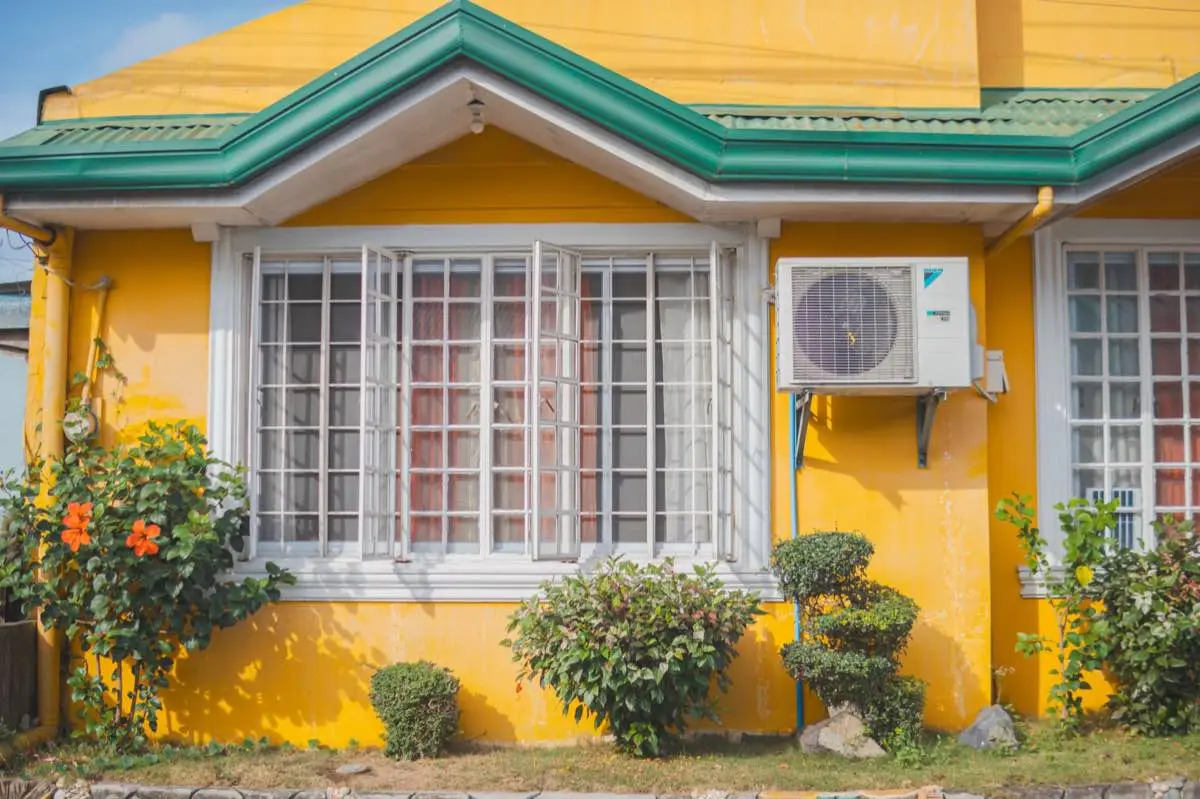
Vinyl Replacement Windows
Vinyl is the right answer for most of this valley, and we will say that plainly before we complicate it. It is the cheapest frame that performs, it does not conduct heat, and it does not need paint in a climate that destroys paint.
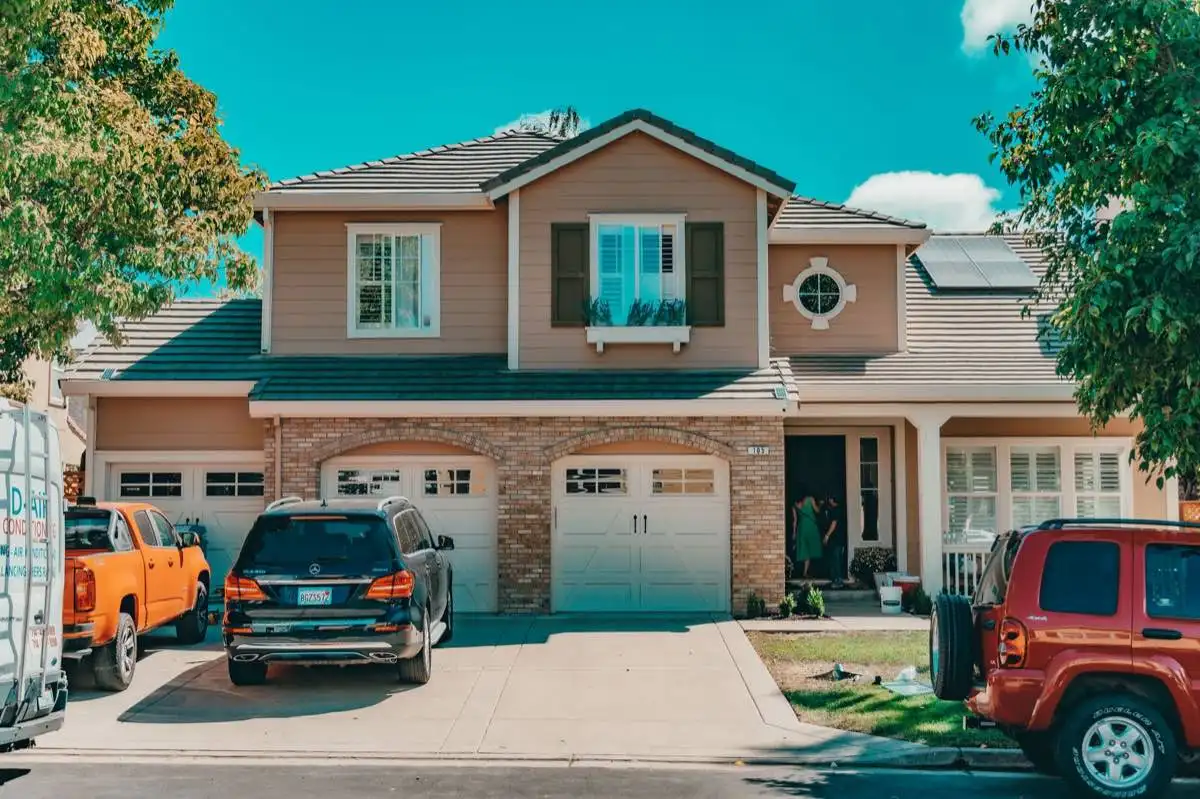
Fiberglass Window Systems
Pultruded fiberglass solves one problem better than anything else on the market, and in a valley with a forty-degree daily swing that problem is real. The frame expands at nearly the same rate as the glass, so the seal between them is not worked back and forth every day.
Wood-Clad Window Replacement
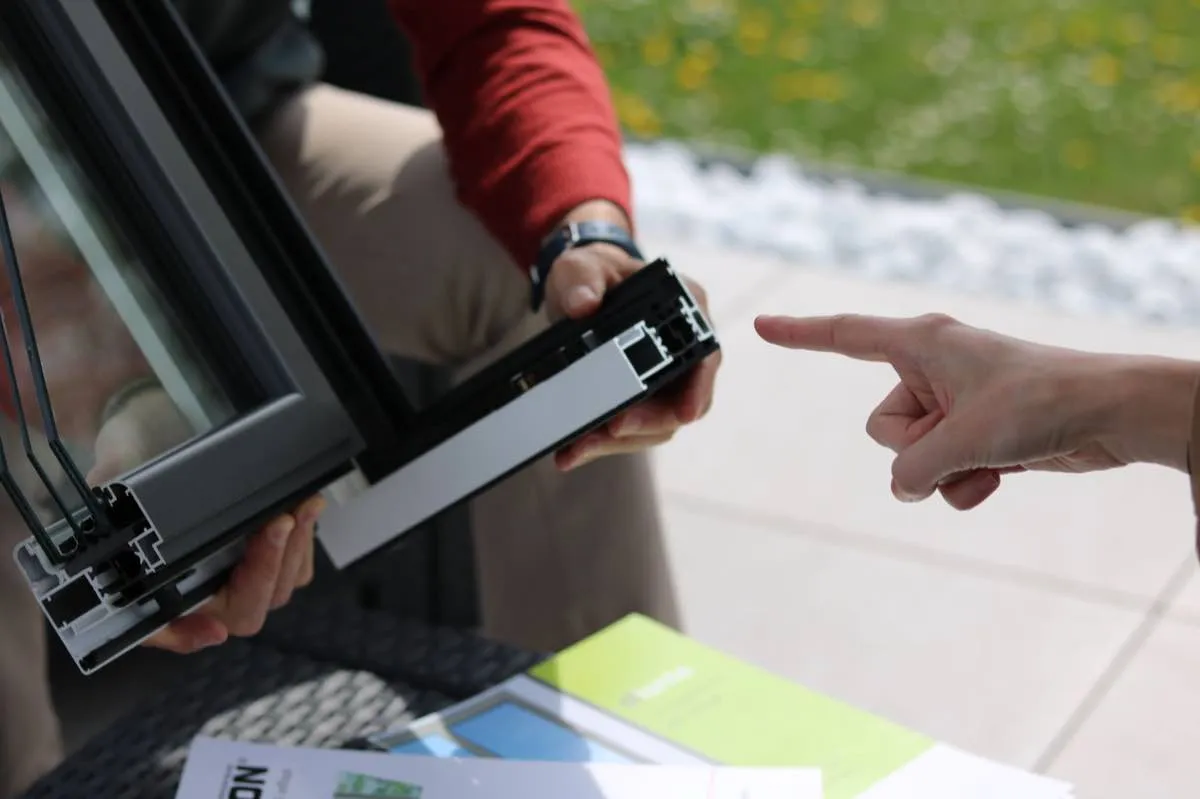
Clad wood is a minority product in the San Jacinto Valley and we will not pretend otherwise. Most of what we pull out here is aluminum or early vinyl.
Aluminum Window Replacement
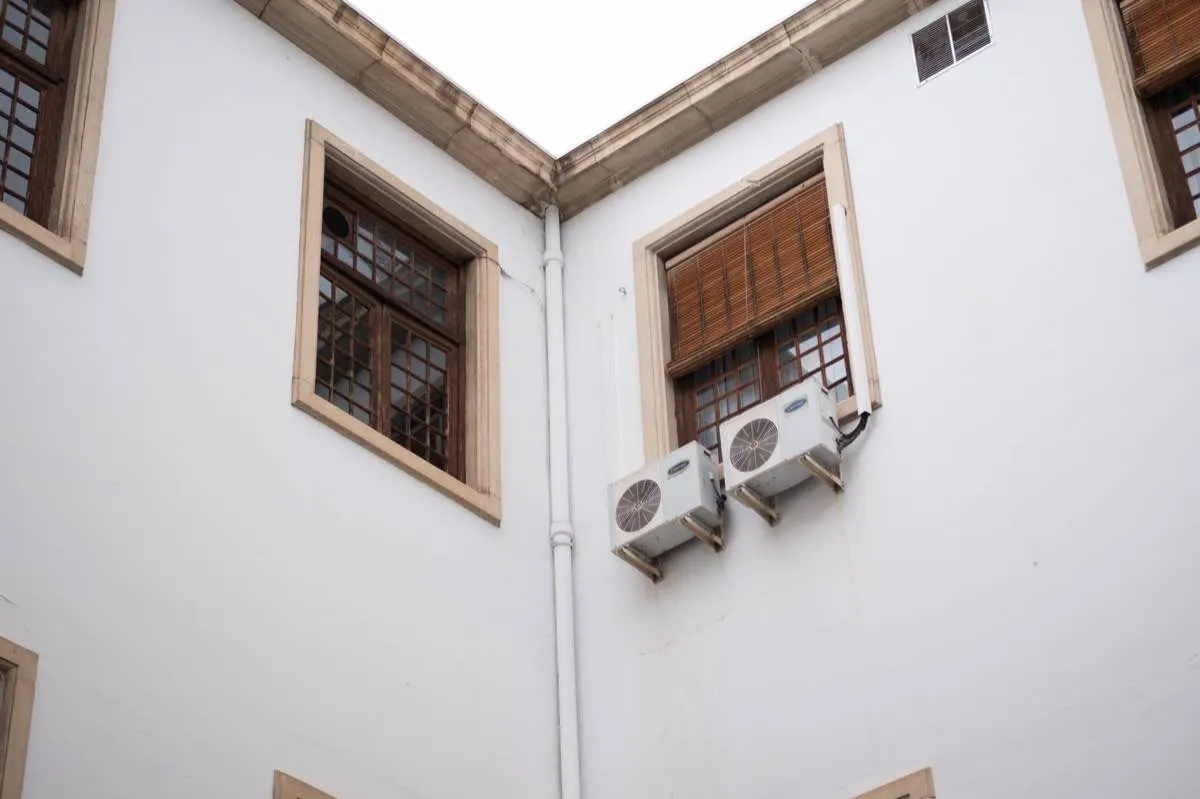
Almost every original window we pull out in this valley is aluminum. Mill-finish sliders in the park homes, bronze anodized units in the 1970s ranches, and a lot of both still doing their job badly forty years later.
Double-Hung Windows
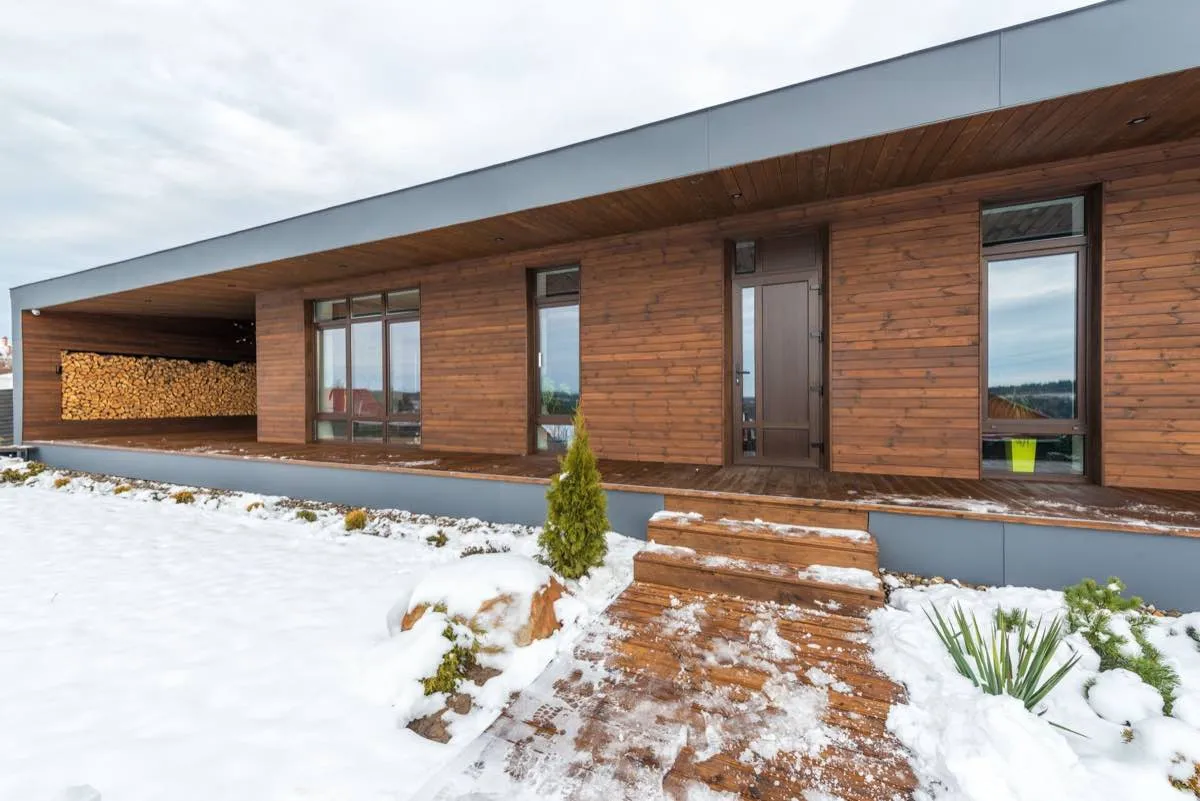
Very little in this valley was originally built with double-hung windows. The stock is horizontal sliders, and a hung window is almost always a choice somebody makes rather than a shape they inherited.
Casement & Awning Windows
A crank window seals differently than a sliding one, and in this valley the difference is measurable rather than theoretical. The sash pulls tight into compression against its weatherstrip when you throw the lock, instead of riding loose in a track the way every slider does.
Sliding Windows
The horizontal slider is the default window of the San Jacinto Valley, and there is nothing at all wrong with that. Builders here reached for it across sixty years because it is cheap to make, it suits a wide low opening, and it swings into nothing on either side.
Bay & Bow Windows
This is the page where we most often end up recommending something other than what the caller asked for, and the reason is structural rather than aesthetic. A bay projects out past the wall plane, and everything hanging out there has to be carried by something.
Picture & Architectural Windows
A fixed window is the cheapest way to buy really good glass. There is no sash, no balance, no roller, no weatherstrip and no lock, so nearly the whole price goes into the insulating unit itself rather than into a mechanism that will wear out.
Egress & Bedroom Windows
Almost every article you will read about bedroom windows quotes one set of numbers. In Hemet those numbers are right for maybe four homes in five, and flatly wrong for the rest, and the difference is decided by how your house was built rather than by where it sits.

Impact & Security Glazing
We will open this page by talking you out of the product as it is usually sold. Hemet is not hurricane country.
Patio & Sliding Glass Doors
No other opening in a Hemet house works this hard. A patio slider carries more glass than anything else in the building, rides on four small wheels, gets opened and shut every day of the year, and fails in ways anyone who has serviced a few can predict.
French Doors
French doors are a want rather than a need, and we are comfortable saying so. Nobody here has a problem that only a hinged pair solves.
Entry Doors
A front door in Hemet takes more punishment than a front door almost anywhere else in the county. West-facing slabs sit in hours of direct sun through triple-digit afternoons, and the temperature difference between the outside face and the conditioned side is severe enough to move the material.
Glass Repair & Failed Seals
Cleaning will never fix a fogged pane, because the haze is not on a surface you can reach. The perimeter sealant on the insulating unit has given up, the desiccant packed into the spacer has saturated, and moisture is now condensing in the cavity between two sealed panes.

Commercial Storefront Glass
Commercial glazing in this valley is a smaller and stranger market than it would be in a city, and the buildings that need it are not the ones an outsider driving through would guess. A great deal of our commercial work sits inside residential communities.

Storefront, Clubhouse & Office Glazing
Our commercial work in this valley splits between two worlds. There is conventional storefront along the Florida Avenue corridor, the professional offices near the hospital, the small industrial buildings out by the airport and the older blocks in downtown San Jacinto.
And there are the buildings inside the residential communities themselves: clubhouses, card rooms, laundries and gate offices, which are code-built structures even though every dwelling around them answers to a federal standard. We repair aluminum storefront framing and door hardware before recommending replacement, secure broken openings the same day, and schedule around trading hours rather than through them.
- ✓Aluminum storefront framing, entrances and sidelites repaired or replaced in kind
- ✓Same-day board-up and secure closure after a break-in or an impact
- ✓Tempered and laminated glass supplied to the correct thickness and safety marking
- ✓Overhead concealed closers, bottom pivots and panic hardware serviced rather than swapped
- ✓Clubhouse and community building glazing handled to building code, not manufactured home rules
- ✓Low solar gain retrofit glazing for west-facing retail frontage that overheats after lunch
- ✓Office and medical suite window replacement scheduled outside patient and trading hours
- ✓Property managers and park operators invoiced per building with photographs of each opening
Recent Projects Across the San Jacinto Valley
Full gallery →How It Works
- We establish which code your home follows. Before we talk product we find out what we are working on. On a manufactured home the data plate inside a cabinet or closet names the year, the standard and the wind zone, and that decides the egress dimensions, the certification label and where a permit comes from. On a site-built house we work from the California codes instead. Five minutes here prevents most of the mistakes we get called out to fix.
- We measure the clear opening, not the frame. Every bedroom gets its escape opening measured as daylight you could actually climb through, and that number goes on your estimate in writing. Rough opening sizes and catalog nominals hide the difference. We also check sill height and the height of every latch and crank, because on a manufactured home both of those are capped by federal rule and both are commonly missed.
- We quote the repair alongside the replacement. Fogged glass in a sound frame is a glass job. A patio door that drags is usually rollers and a track cap. Where the smaller fix is the honest one you will see it priced next to the full replacement, with what each buys you. If solar screens on your west elevation would do more this summer than new windows, that goes on the sheet too.
- We install, adjust and leave the labels on. Units come in level, shimmed at the bearing points, sealed and flashed to the wall type in front of us rather than a generic detail. Then we adjust every lock and operator, walk the job with you, and leave certification labels and operating instructions in place. On egress windows those stickers are required to stay, and pulling them is not tidiness.
What Hemet Customers Say
Three bidders looked at our bedroom windows and only these people asked what our home was built to. Turned out the units the other company had quoted would have put the sill too high to be legal in a manufactured home. They measured the opening, wrote the number down, and installed something that fits the rules.
The living room baked from four o'clock every afternoon and I was ready to spend on new glass. They looked at the windows, said the ones I had were fine, and put solar screens on the west wall instead. Cost a fraction of what I had budgeted and the room is usable again.
Our patio door had been impossible to slide for two years. I assumed we needed a whole new door. They replaced the rollers and the track cap in one morning and it glides now. Honest about what it did and did not fix, and they never once tried to upsell me.
Somebody else had told us we needed impact glass out here. These folks explained why that is a coastal product and sold us laminated glass for the road noise instead, which is what we actually wanted. Clean work, everything squared and adjusted, and they left all the labels on.
Our Coverage Area
Hemet Window Replacement serves Hemet, CA and surrounding communities including:
Frequently Asked Questions
Do I need a permit to replace windows in Hemet?
For a site-built house, changing windows generally means a permit through the City of Hemet or Riverside County if you are outside city limits, and the energy code applies to the alteration. A manufactured home in a mobilehome park is a different route entirely.
The state Mobilehome Parks Act supersedes local ordinances on those properties, and the enforcement agency is the California Department of Housing and Community Development unless the city or county has formally assumed that role. Call and ask which applies before anyone starts work.
How do I tell whether my home is manufactured or site-built?
Look for the data plate, usually a paper label inside a kitchen cabinet door, a bedroom closet or the electrical panel cover. It names the manufacturer, the date of manufacture, the wind and roof load zones and the standard the home was built to. There is also a metal certification label on the exterior of each section.
If your home was built after June 15, 1976 and has that plate, it is a federally certified manufactured home and the federal standard governs it.
What should I look for on the sticker of a new window?
Two things, and they are different labels. The NFRC sticker gives U-factor and solar heat gain coefficient so you can compare performance. In a manufactured home the window also has to carry a quality certification label showing it was tested to AAMA 1701.2 or the North American Fenestration Standard by a body accredited to ISO/IEC 17065. Buy a unit that carries both and no inspector or park manager can raise an objection.
Which glass numbers actually matter in this climate?
Solar heat gain coefficient does most of the work in Hemet, and we look for roughly 0.25 or lower on west and south elevations. U-factor around 0.30 is plenty in a valley with our winters. Chasing a lower U-factor, or paying for a third pane of glass, buys performance designed for a heating climate that this town does not have. Spend the difference on better coatings and on shade instead.
Are solar screens worth it, or should I just replace the windows?
If your existing windows are dual-pane and the frames and hardware are sound, exterior solar screens on the west and south elevations will change how those rooms feel this summer for a small fraction of what replacement costs. That is often the right first move and we will say so. Replacement makes sense when the glass has fogged, the frames leak air, the hardware has failed, or a bedroom window does not meet its escape requirement.
Do you work in the mobile home parks and senior communities?
We do, and that work makes up a good part of the business. Hemet holds thousands of homes across its park and senior communities, and the job differs from tract-house work in almost every particular: factory openings that match no standard size, thin sidewalls, inserts that keep the siding closed, sill height limits, screen rules on bedroom windows, and park managements with their own approval process. We handle the differences rather than discovering them on your driveway.